Every coffee lover has wondered how much coffee a pound of beans will actually make. Maybe you’re planning a big family gathering, opening a small café, or just want to budget your monthly coffee use. Knowing exactly how many cups you get from a pound can help save money, reduce waste, and ensure you never run out of your favorite drink.
But the answer is not as simple as it may seem. The number of cups depends on several factors: brewing method, grind size, cup size, and even the strength of your coffee. In this guide, you’ll discover everything you need to know about how many cups a pound of coffee makes—plus some tips, real numbers, and expert advice that will change the way you brew.
What Does “a Pound Of Coffee” Really Mean?
A pound is a unit of weight equal to 16 ounces (about 454 grams). When you buy a bag of whole bean or ground coffee labeled as “1 lb” or “16 oz,” you’re getting this amount.
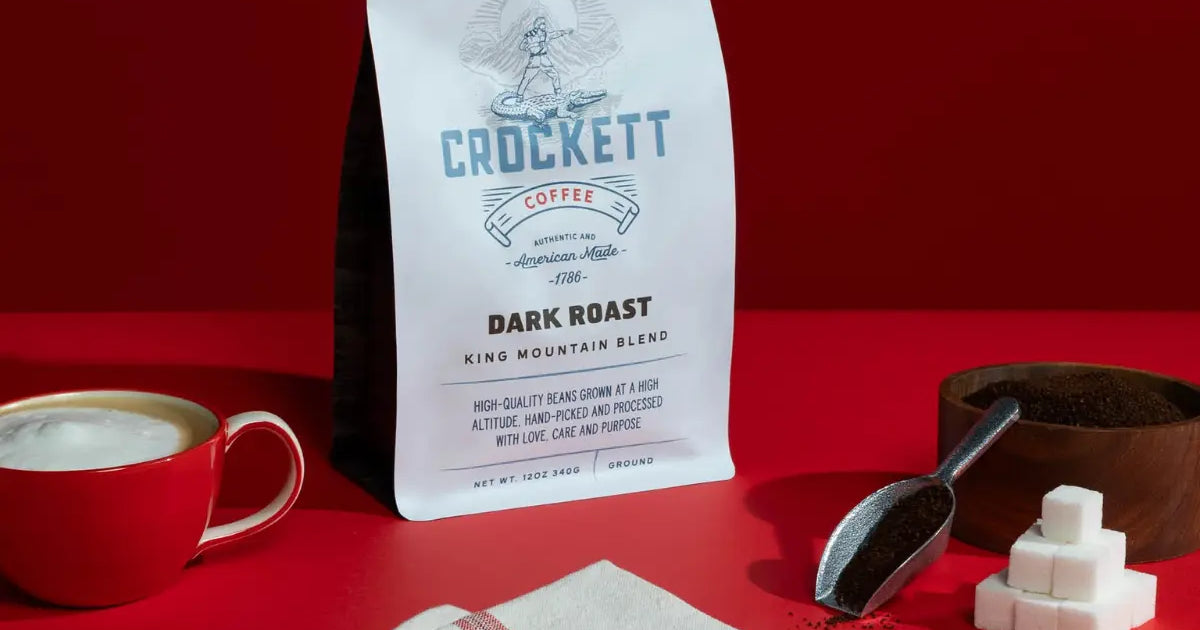
Some specialty coffees may come in slightly smaller bags (12 oz or 340 grams), but for this guide, we’ll stick to the classic 16-ounce (1 lb) bag.
One important thing: Coffee can be sold as whole beans or pre-ground. The weight is the same before brewing. Whether you grind at home or buy it ground, you’re starting with the same raw amount.
Key Factors That Affect Cups Per Pound
The number of cups you’ll get from a pound of coffee isn’t fixed. Several factors influence the final number, including:
- Brew Method: Different methods use different coffee-to-water ratios.
- Grind Size: Finer grinds extract more, but you might use less or more coffee.
- Cup Size: A “cup” can mean different things—espresso shot or a 16 oz mug.
- Coffee Strength: Some like it bold, some like it mild.
- Waste and Spillage: A little is always lost in grinding, scooping, and brewing.
Each factor can add or subtract from your total cups. Let’s look at each one more closely.
Brew Method
Some brew methods use more coffee per cup than others. For example, espresso uses much less coffee per shot, while French press and cold brew often use more. Drip coffee sits in the middle.
Grind Size
Finer grinds extract more flavor quickly, so you might use less coffee for the same strength. Coarser grinds (like for French press) can require more coffee.
Cup Size
In the coffee industry, a “cup” is usually 6 ounces. But most people drink 8, 10, or even 16 ounces at home or in cafés. Larger cups mean fewer cups per pound.
Coffee Strength
If you prefer strong coffee, you’ll use more grounds per cup. If you like it lighter, you’ll use less.
Standard Coffee Measurements
To estimate how many cups a pound makes, we need to know the typical measurement of coffee per cup.
- Standard ratio: 1 to 2 tablespoons (about 5 to 10 grams) of ground coffee per 6 ounces of water.
- Golden ratio: 1:16 (1 part coffee to 16 parts water by weight).
Most coffee experts suggest 2 tablespoons (10 grams) per 6-ounce cup. There are about 45 tablespoons in a pound of coffee (since 1 tablespoon is roughly 10-11 grams).
This gives a good starting point for our calculations.
Brewing Methods And Their Ratios
Different brewing styles use different ratios. Here’s what you need to know about each:
Drip Coffee (auto Or Manual)
This is the most common method, using a 1:16 ratio by weight or 2 tablespoons per 6-ounce cup. Most home coffee makers use this ratio.
French Press
French press uses a 1:15 or 1:12 ratio for a stronger cup. That’s about 2.5 tablespoons per 6-ounce cup.
Espresso
Espresso is concentrated. One shot (about 1 ounce) uses 7-9 grams of coffee. That’s much less per serving, but the “cup” is smaller.
Pour-over
Similar to drip, but you control the pour. Standard is 1:15 to 1:17 ratio.
Cold Brew
Uses a high coffee-to-water ratio but is usually diluted after brewing. Often, it’s 1:4 to 1:5 for concentrate, then mixed with water or milk.

How Many Cups Per Pound: Real Numbers
Now, let’s answer the big question: how many cups do you really get from a pound of coffee? Here are the numbers for the most popular brewing methods.
| Brewing Method | Standard Ratio | Grounds Per Cup | Cups per Pound |
|---|---|---|---|
| Drip Coffee | 1:16 | 10 g | 45 |
| French Press | 1:12 | 12 g | 38 |
| Espresso | N/A | 8 g | 56 |
| Pour-Over | 1:15 | 10 g | 45 |
| Cold Brew (concentrate) | 1:5 | 20 g | 22 |
Key insight: Espresso gives the most servings per pound, but each serving is much smaller. Cold brew concentrate uses the most, but you usually dilute it, so the number of actual cups increases.
Calculating For Different Cup Sizes
If you drink bigger cups, you’ll get fewer cups per pound. Here’s how the numbers look for various cup sizes, using the standard drip ratio.
| Cup Size | Grounds Used | Cups per Pound |
|---|---|---|
| 6 oz (small) | 10 g | 45 |
| 8 oz (medium) | 13 g | 35 |
| 12 oz (large mug) | 20 g | 22 |
| 16 oz (travel mug) | 27 g | 16 |
If you use a large mug every morning, expect 16 cups per pound. If you like smaller, traditional cups, you’ll get about 45 cups.
How To Measure Coffee: Spoons, Scales, And Accuracy
Most people use tablespoons or scoops. But weight is more accurate. Coffee beans can have different sizes and densities, making “1 tablespoon” vary by roast or grind.
- 1 tablespoon of ground coffee ≈ 5-7 grams (light roast is less dense than dark roast)
- 1 coffee scoop = 2 tablespoons ≈ 10-14 grams
If you want consistent cups, use a digital kitchen scale. Measure 10 grams per 6-ounce cup as a reliable standard.
Non-obvious tip: If you switch coffee brands or roast types, the volume per tablespoon may change. Always check weight for best results.
Coffee Strength: How It Changes Cup Count
Some people love a bold, intense brew; others prefer mild. The more grounds you use per cup, the fewer cups per pound.
- Strong coffee: Use more grounds per cup (e.g., 14 grams per 6 ounces)
- Mild coffee: Use less grounds (e.g., 8 grams per 6 ounces)
A small change (2 grams per cup) makes a big difference over a pound.
Example: If you increase from 10 grams to 12 grams per cup, you lose 7 cups per pound (from 45 to 38).
Practical insight: Experiment with your ratio and track how long your coffee lasts. That’s the best way to find your personal balance of strength and value.
Waste And Loss: The Hidden Factor
Even careful brewers lose a little coffee. Some stays in the grinder, some spills, and some is left behind in filters or presses.
Estimate: About 5% of a pound is lost to waste. That’s about 22 grams, or two cups’ worth.
Tip: Keep grinders and scoops clean, and store coffee properly to reduce waste.
Real-life Scenarios
Home Coffee Drinker
If you drink one standard 8-ounce cup per day, you’ll use about 13 grams per cup. That means one pound will last about 35 days.
Office Or Café
A busy office with a 12-cup drip machine (6-ounce cups) will use 120 grams per full pot. One pound will brew 3.8 full pots—enough for about 45 small cups.
Espresso Bar
If you pull 8-gram espresso shots, you’ll get 56 single shots per pound. A double shot uses 16 grams, so you’ll get 28 doubles.
Cold Brew At Home
For a batch of concentrate, use 200 grams of coffee per liter of water. One pound will make just over 2 liters of concentrate, which can be diluted into 12-16 servings.
How To Make Your Coffee Go Further
Want more cups per pound? Here are some real, practical strategies:
- Use a scale: Accurate measuring prevents waste.
- Try a finer grind: You may extract more flavor with less coffee.
- Check your water: Hard water can mute flavors, making you use more coffee.
- Clean equipment: Old grounds or oils can block flavor extraction.
- Experiment: Try lowering your ratio until you find the weakest cup you still enjoy.
Expert tip: If you’re making cold brew, use the grounds for a second, weaker steep. You’ll get an extra batch with less caffeine and lighter flavor.
Common Mistakes That Waste Coffee
Even experienced brewers lose cups per pound through simple errors:
- Overfilling the basket: Leads to waste and uneven extraction.
- Using the wrong grind size: Too fine for French press, too coarse for espresso.
- Stale beans: You might use extra coffee to get the same flavor.
- Improper storage: Coffee absorbs moisture and odors, losing potency.
- Not adjusting for cup size: Using too much coffee for small cups.
Non-obvious insight: If your coffee tastes bitter, it’s often over-extracted—not too strong. Try using less coffee or a coarser grind before increasing your dose.
Specialty Coffee And Cup Counts
Some premium coffees are sold in 12-ounce bags instead of a full pound. Here’s how the numbers change:
- 12 oz bag: 340 grams
- At 10 grams per cup: 34 cups
- At 13 grams per cup: 26 cups
If you want to compare value between brands, always check both the bag size and the price per cup.
Tip: Freshly roasted specialty beans are often stronger in flavor. You may find you can use less per cup without losing taste.
How To Store Coffee For Maximum Yield
Coffee loses flavor and aroma after roasting, and even more after grinding. Proper storage helps you get the most out of every pound.
- Airtight containers: Keep air and moisture out
- Cool, dark place: Avoid heat and sunlight
- Avoid fridge or freezer: Moisture can damage beans
- Grind just before brewing: Preserves more flavor
By keeping your coffee fresh, you’ll need less per cup for the same great taste.
Comparing Cost Per Cup
Let’s see how much you’re really spending on each cup. Assume a 1-lb bag costs $15.
| Method | Cups per Pound | Cost per Cup |
|---|---|---|
| Drip Coffee | 45 | $0.33 |
| French Press | 38 | $0.39 |
| Espresso (single) | 56 | $0.27 |
| Cold Brew (diluted) | 32 | $0.47 |
Insight: Making coffee at home is much cheaper per cup than buying at a café, no matter the method.
Extra Tips For Getting The Most From Each Pound
- Buy whole beans: They stay fresh longer.
- Store away from light and heat: Slows flavor loss.
- Clean your grinder and brewer: Old coffee oils can ruin flavor.
- Adjust your ratio: Many people use more coffee than needed.
- Use filtered water: Bad water makes you use more grounds for the same taste.
Real-world Example: Family Coffee Use
A family of four drinks two 10-ounce cups each per day. That’s 8 cups, or about 104 grams per day. A pound will last them about 4.3 days.
Pro tip: If you entertain guests often, keep track of your average use per week. Buy coffee in bulk if you’re going through pounds quickly, but store in smaller containers to keep it fresh.
When Should You Buy More Coffee?
If you know your average daily use, you can plan coffee purchases and avoid running out.
- Solo drinker: 1 cup (10 g) per day = 45 days per pound
- Couple: 2 cups each per day = 22 days per pound
- Small office: 12 cups per day = 3.7 days per pound
Plan ahead: If you run out often, try buying two bags at a time and storing one in an airtight container.
Why Cup Count Can Vary In Practice
Even if you use a scale and a recipe, you may notice your pound of coffee sometimes lasts a little longer or shorter than expected. Reasons include:
- Different bean densities: Light roasts are less dense than dark roasts.
- Grind retention: Some grinders hold back more coffee than others.
- Personal taste: You might use more or less than the “standard” amount.
Non-obvious insight: If your coffee seems weak, check your grinder for old, stale grounds stuck inside. Cleaning it can make your coffee taste stronger without using more beans.
How To Adjust For Guests Or Events
If you’re hosting a party or meeting, estimate how much coffee to brew:
- Estimate 1 cup per person per hour
- For a 10-person, 2-hour brunch: 20 cups (200 grams, or nearly half a pound)
- Brew in batches and keep coffee in a thermal carafe for best flavor
Tip: Have extra on hand for heavy coffee drinkers.
Summary Table: Cups Per Pound Cheat Sheet
Here’s a quick cheat sheet for common situations:
| Situation | Average Cup Size | Grounds per Cup | Cups per Pound |
|---|---|---|---|
| Standard Drip (home) | 8 oz | 13 g | 35 |
| French Press (strong) | 12 oz | 20 g | 22 |
| Espresso (single) | 1 oz | 8 g | 56 |
| Cold Brew (diluted) | 10 oz | 14 g | 32 |
Keep this handy when planning your next coffee order.
Why Understanding Cups Per Pound Matters
Knowing how many cups a pound of coffee makes helps you:
- Budget: Plan your coffee spending
- Avoid waste: Brew only what you need
- Serve guests: Ensure you have enough for everyone
- Experiment: Find your perfect strength and flavor
Experienced brewers know that measuring coffee is as important as choosing the beans. Even small changes in ratio or grind can add or subtract several cups per bag.
For more on coffee ratios and brewing, see this Wikipedia guide.
Enjoy your next cup with confidence, knowing exactly how far your pound of coffee will go.
Frequently Asked Questions
How Many Cups Of Coffee Does 1 Pound Make With A Drip Coffee Maker?
A standard drip coffee maker uses about 10 grams of coffee per 6-ounce cup. One pound (454 grams) will make about 45 cups. If you use larger 8-ounce mugs, expect around 35 cups per pound.
Does Whole Bean Or Ground Coffee Make More Cups Per Pound?
There is no difference in the number of cups per pound between whole bean and ground coffee. Both start with the same weight. However, grinding fresh can give you stronger flavor, so you might use less per cup.
How Many Double Espressos Can You Make From A Pound Of Coffee?
A double espresso uses about 16 grams of coffee. One pound (454 grams) will make about 28 double espressos.
Can I Use Less Coffee Per Cup To Save Money?
Yes, you can try using slightly less coffee per cup. Start with the standard ratio and reduce gradually until you find the weakest cup you enjoy. Using a finer grind can help extract more flavor, allowing you to use less coffee.
Why Do Some Bags Of Coffee Say “makes 60 Cups” But I Get Less?
These numbers are often based on small 6-ounce servings and mild strength. If you use larger cups or prefer strong coffee, you’ll get fewer cups per pound. Always check the serving size on the package and compare it to your own brewing habits.