For many coffee lovers, brewing a large pot for a crowd is both exciting and a little nerve-wracking. A 30 cup coffee maker is perfect for offices, parties, meetings, or family gatherings. But how much coffee should you use to make a pot that tastes just right—not too weak, not too strong? Understanding the best ratio, choosing the right coffee, and following proper brewing steps can mean the difference between a bland batch and a pot everyone will remember.
This guide covers everything you need to know to brew the perfect pot in a 30 cup coffee maker. We’ll explore the ideal coffee-to-water ratio, give practical tips, and answer common questions. We’ll also look at mistakes people often make, share expert tricks, and compare different brewing methods.
Whether you’re a beginner or an experienced host, you’ll find clear advice and useful examples for every step.
Understanding Your 30 Cup Coffee Maker
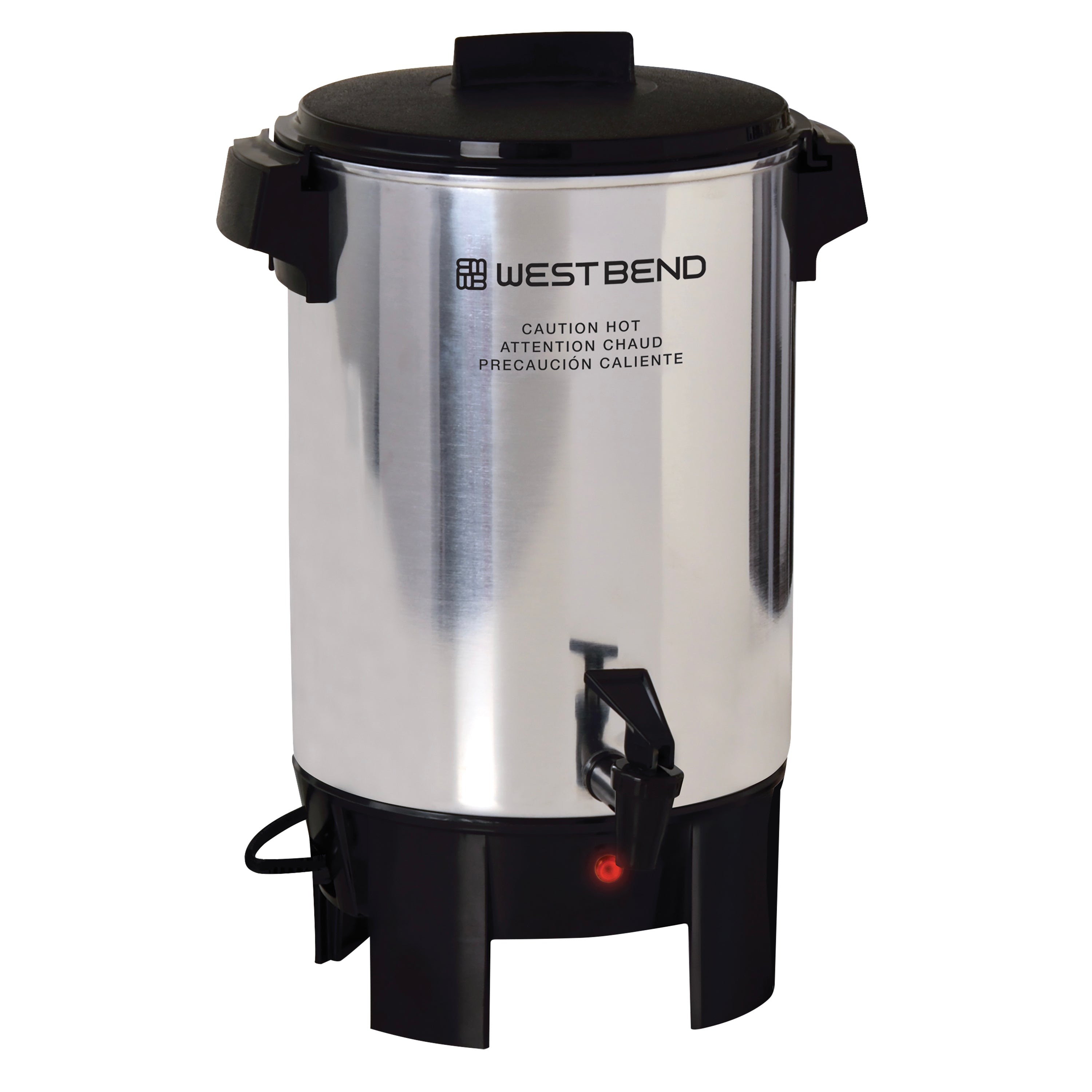
A 30 cup coffee maker is a large, percolator-style machine. It’s designed for serving many people and works differently from small drip machines.
- Capacity: 30 cups (about 5.7 liters or 192 ounces)
- Cup size: Most machines use a standard cup size of 6 ounces (not the 8-ounce cup used for other drinks)
- Type: Usually electric percolators, but some are manual
Knowing these basics helps you plan the right amount of coffee and water.
How Does A Percolator Work?
Percolators use boiling water that rises up a tube and filters through the coffee grounds, then drips back down. This process repeats until brewing is complete. Percolators can make coffee taste stronger or bitter if brewed too long, so timing and ratio matter.
The Perfect Coffee-to-water Ratio
Getting the right ratio is the foundation for great coffee. Too little coffee means a weak brew, while too much creates bitterness and waste.
Standard ratio: For a 30 cup coffee maker, use 1.5 cups of ground coffee for the full pot (30 cups of water).
- 1 cup of ground coffee = 16 tablespoons
- 1.5 cups = 24 tablespoons
This ratio is recommended by most manufacturers and coffee experts.
Why Ratio Matters
The coffee-to-water ratio affects taste, strength, and aroma. If you use less coffee, the pot will taste watery. Too much, and it may be overpowering.
Adjusting For Taste
Some guests like stronger coffee, others prefer mild. You can adjust:
- For strong coffee, use 1.75 cups (28 tablespoons)
- For mild coffee, use 1.25 cups (20 tablespoons)
But always start with the standard ratio for best results.
30 Steps For Brewing The Perfect Pot (one Per Item)
Each step is important for making delicious coffee in your 30 cup maker. Here’s a detailed guide for every stage:
1. Clean The Coffee Maker
Always start with a clean machine. Old coffee oils and residue can affect taste. Wash all removable parts and wipe down the exterior.
2. Choose Quality Coffee
Pick fresh, high-quality coffee beans or grounds. Avoid stale or cheap brands. Medium roast works well for most people.
3. Measure Coffee Accurately
Use a measuring cup or spoon for precise amounts. For 30 cups, measure 1.5 cups (24 tablespoons) of ground coffee.
4. Grind Beans Properly
If using whole beans, grind to a medium-coarse texture. Too fine will make coffee muddy; too coarse, it will be weak.
5. Use Filtered Water
Water quality matters. Use filtered or bottled water for the best flavor. Tap water with chlorine can ruin coffee.
6. Fill Water Reservoir
Pour water into the reservoir up to the 30 cup mark. Avoid overfilling, as this can cause spills and weak coffee.
7. Install The Basket Correctly
Place the coffee basket securely in the machine. Make sure it’s dry and free from old grounds.
8. Add Coffee Grounds
Pour your measured coffee into the basket. Spread evenly so water covers all grounds.
9. Use A Paper Filter (optional)
Some percolators allow paper filters, which trap fines and oils. This makes a cleaner cup.
10. Assemble The Machine
Put all parts back together. Make sure the lid is tightly closed to prevent heat loss.
11. Plug In And Power On
Connect to a safe outlet. Turn the machine on. Most percolators have a simple ON/OFF switch.
12. Set Brew Time
Let the coffee brew for 45–60 minutes. Don’t rush; percolators need time to cycle water through the grounds.
13. Watch For Ready Light
Many machines have a ready light. When it turns on, the coffee is brewed and hot.
14. Avoid Over-brewing
Once ready, turn off the heat or switch to “keep warm.” Over-brewing makes coffee bitter.
15. Stir Before Serving
Stir the coffee gently to mix layers and ensure even strength.
16. Preheat Serving Cups
Rinse cups with hot water before serving. This keeps coffee hot longer.
17. Test Taste
Pour a small sample and check taste and strength. Adjust next batch if needed.
18. Serve Immediately
Fresh coffee tastes best. Serve as soon as possible to preserve aroma.
19. Offer Milk And Sugar
Provide options for guests—milk, cream, sugar, sweeteners, and stirrers.
20. Monitor Temperature
Keep the pot warm but not boiling. If possible, use the “keep warm” setting.
21. Avoid Reheating
Reheated coffee loses flavor and can taste burnt. Brew only what you need.
22. Clean After Use
Wash all parts after brewing. Don’t let grounds sit overnight.
23. Store Properly
Dry all parts before storing. This prevents mold and odors.
24. Experiment With Flavors
Try adding cinnamon, nutmeg, or vanilla to grounds for special occasions.
25. Use Fresh Beans
Beans lose flavor quickly. Buy small batches and grind just before brewing.
26. Record Ratios
Keep notes on ratios and taste for future reference. This helps you improve each time.
27. Avoid Cheap Filters
If using filters, choose quality brands. Cheap filters can tear and spoil the pot.
28. Don’t Overcrowd Grounds
Too many grounds in the basket can block water flow and create uneven extraction.
29. Watch Water Level
If brewing less than 30 cups, adjust coffee amount. Use about 1 tablespoon per 6 ounces of water.
30. Enjoy Responsibly
Share coffee with friends and family. Enjoy the process and celebrate good brewing.
Comparing Coffee Strengths
Coffee strength depends on the amount of grounds used. Here’s a comparison of different ratios for a 30 cup maker:
| Strength | Ground Coffee (cups) | Ground Coffee (tablespoons) | Water (cups) | Flavor Profile |
|---|---|---|---|---|
| Mild | 1.25 | 20 | 30 | Light, smooth, less bitterness |
| Standard | 1.5 | 24 | 30 | Balanced, aromatic, classic |
| Strong | 1.75 | 28 | 30 | Bold, rich, more bitterness |
Coffee Beans: Types And Impact On Taste
Choosing the right beans for your 30 cup maker is important. Here are popular types:
- Arabica: Smooth, mild, slightly sweet
- Robusta: Stronger, more bitter, higher caffeine
- Blends: Combine flavors for balance
Medium roast is best for large groups because it’s not too strong or too weak.
Freshness Matters
Coffee beans lose flavor fast. Buy whole beans and grind just before brewing. If using pre-ground, check roast date.
Water Quality Makes A Difference
Water is 98% of your coffee. Using filtered water removes unwanted flavors. Hard water can cause mineral buildup in your machine, while soft water can make coffee taste flat.
Comparing Water Types
| Water Type | Taste Impact | Machine Longevity | Recommended? |
|---|---|---|---|
| Tap (hard) | Possible bitterness | Mineral buildup | No |
| Tap (soft) | Bland | Safe | Sometimes |
| Filtered | Clean, pure | Protects machine | Yes |
| Bottled | Fresh, neutral | Safe | Yes |
Mistakes Beginners Make
Many people make the same errors when brewing for a crowd. Avoid these common mistakes:
- Guessing coffee amounts—always measure!
- Using old coffee beans—fresh beans make a big difference.
- Overfilling water reservoir—can cause spills and weak coffee.
- Letting coffee over-brew—makes it bitter.
- Not cleaning machine before use—old oils affect flavor.
Experienced hosts know that planning ahead and checking every detail leads to better results.
Expert Tips For Large-batch Brewing
Here are some less-known tricks to make your coffee stand out:
- Let coffee rest for 5–10 minutes after brewing. This helps flavors settle.
- Use freshly ground beans for every batch, not pre-ground.
- Add a pinch of salt to grounds if coffee tastes too bitter. Salt cuts bitterness without changing flavor.
- Mix two types of beans (like Arabica and Robusta) for a balanced cup.
- Preheat your coffee maker for 2 minutes with hot water before brewing; this keeps coffee hot longer.
How To Serve Coffee For A Crowd
Serving coffee in large settings can be tricky. Here’s how to keep everyone happy:
- Use thermal carafes for table service.
- Offer a range of milk, cream, sugar, and sweeteners.
- Provide decaf options for guests who prefer it.
- Place cups, napkins, and stirrers near the coffee station.
Cleaning And Maintenance
A clean machine is essential for good coffee and long-lasting equipment.
- Wash removable parts after each use.
- Deep clean monthly with vinegar or special coffee cleaner.
- Dry thoroughly before storing.
Neglecting cleaning leads to bad taste and machine breakdowns.
What Makes Coffee “perfect”?
The perfect pot is balanced, flavorful, and hot. It’s not too strong or too weak. Here’s what matters most:
- Ratio: 1.5 cups of ground coffee per 30 cups of water
- Fresh, medium-roast beans
- Filtered water
- Clean equipment
- Proper brewing time
Brewing For Different Occasions
Coffee needs change based on the event. For meetings, mild coffee works best. For parties, offer stronger brew and flavors. For family, provide decaf and regular.
Comparing Brewing Methods
How does a 30 cup percolator compare to drip machines or French presses?
| Method | Batch Size | Strength Control | Flavor | Best For |
|---|---|---|---|---|
| Percolator | Large (30 cups) | Adjustable | Classic, bold | Events, parties |
| Drip | Medium (8–12 cups) | Easy | Clean, mild | Home, office |
| French Press | Small (4–8 cups) | High | Rich, full-bodied | Home, specialty |
Percolators are best for large groups but require careful ratio control.
Practical Troubleshooting
What if your coffee tastes off? Here are solutions:
- Too weak: Add more grounds next time.
- Too strong: Use less coffee or more water.
- Bitter: Shorten brew time or use milder beans.
- Sour: Try a darker roast or adjust water temperature.
- Cold: Preheat machine and cups.
:max_bytes(150000):strip_icc()/sea-primary-drip-coffee-makers-wdickey-114-fcdea4411b8f4d97940e5dcf58bd03bf.jpeg)
Non-obvious Insights
Two things beginners often miss:
- Coffee absorbs odors—store beans away from spices and cleaning supplies.
- Coffee grounds expand during brewing; don’t overfill the basket.
Also, keep a coffee log. Write down ratios, beans, and guest feedback. This helps you improve with every batch.
The Role Of Temperature
Coffee should be brewed at 195–205°F (90–96°C). Most percolators reach this automatically, but check if your machine runs cool.
If coffee isn’t hot enough:
- Preheat water before adding
- Check machine heating element
Serving at the right temperature keeps coffee fresh and flavorful.
Customizing Your Brew
For special occasions, try these extras:
- Add spices (cinnamon, cardamom) to grounds
- Use a splash of vanilla extract
- Mix chocolate powder for mocha flavor
Always check with guests about allergies or preferences.
Serving Size And Planning
A 30 cup maker serves about 30 people (6 oz each). For larger groups, plan for seconds. For smaller groups, halve the recipe.
Tip: Brew a little extra for late arrivals or seconds.

Hosting Tips
When brewing for a crowd:
- Set up coffee station early
- Keep supplies nearby
- Label regular and decaf pots
This keeps service smooth and avoids confusion.
Frequently Asked Questions
How Much Ground Coffee For A 30 Cup Coffee Maker?
Use 1.5 cups (24 tablespoons) of ground coffee for a full 30 cup maker. Adjust slightly for stronger or milder taste.
Can I Use Pre-ground Coffee Or Do I Need To Grind Beans?
You can use pre-ground coffee, but grinding fresh beans gives a better taste. If using pre-ground, check the roast date for freshness.
How Long Does A 30 Cup Coffee Maker Take To Brew?
It takes 45–60 minutes for a full pot. Percolators cycle water slowly to extract flavor.
What Happens If I Use Too Much Coffee?
Too much coffee makes the pot bitter and thick. It may also clog the basket, causing uneven extraction.
Is Filtered Water Important For Brewing?
Yes, filtered water improves taste and protects your machine. Tap water can add unwanted flavors and minerals.
If you want more details on coffee ratios and brewing methods, visit the Wikipedia Coffee Preparation Guide.
Brewing the perfect pot in a 30 cup coffee maker is easy with the right approach. Plan your ratios, use good beans and water, and follow each step. Your guests will notice the difference—and you’ll have confidence every time you brew for a crowd.