Making coffee at home can be a simple routine, but sometimes that morning cup feels weak or watery. You take a sip, hoping for bold flavor, but it lacks the body and richness you want. If you’ve ever wondered how to make coffee thicker, you’re not alone. Many coffee lovers crave that deep, almost creamy texture found in the best café brews. The good news: you don’t need fancy equipment or expensive beans to achieve a richer cup. With the right methods and a few expert tips, you can transform your daily coffee into a drink that feels luxurious and full-bodied.
Thick coffee is not just about strong flavor—it’s about mouthfeel, the sensation of weight and smoothness. This article breaks down the science behind coffee texture and gives you practical, proven ways to make your coffee thicker at home. Whether you brew with a French press, drip machine, or moka pot, you’ll discover techniques to suit every method and preference. We’ll also cover common mistakes, so you don’t accidentally make your coffee bitter or chalky. By the end, you’ll know exactly how to create a satisfying, thick brew that rivals your favorite café.
What Makes Coffee Thick?
Before changing your recipe, it helps to understand why some coffees taste and feel thicker than others. Coffee thickness (sometimes called “body”) comes from a mix of dissolved solids, oils, and microscopic particles in the liquid.
Three main elements influence thickness:
- Coffee oils – These natural fats come from the beans. Methods like French press or Turkish coffee allow more oils into your cup.
- Microparticles – Tiny ground coffee particles can stay suspended in the drink, giving it weight. Paper filters remove most particles, so unfiltered methods make thicker coffee.
- Dissolved solids – These are the flavors and compounds extracted from the grounds. More dissolved solids usually mean a richer taste and fuller body.
Even water quality and brew time can affect thickness. The right balance brings a creamy, velvety feel, while mistakes can lead to sludge or bitterness. Let’s dive into the practical steps for a thicker, richer coffee.
Choosing The Right Coffee Beans
The journey to a thicker brew starts with your beans. Not all coffee is created equal, and bean variety, roast, and freshness play a big role.
Bean Variety
Some beans naturally produce a fuller body. For example, Robusta beans have more solids and oils than Arabica beans, making them popular for Italian espresso blends. However, Robusta can taste harsher, so many prefer a blend of both.
Roast Level
Darker roasts often create a thicker mouthfeel. As beans roast longer, they develop more oils and heavier flavors. Medium-dark to dark roasts are usually best for a thick cup, but avoid very oily beans in drip machines, as they can clog filters.
Freshness
Freshly roasted coffee holds more oils and aromatic compounds. Stale beans lose their volatile oils, producing a flat, thin cup. Buy whole beans and grind just before brewing for the thickest result.
The Importance Of Grind Size
How you grind your coffee affects how much oil, solids, and particles end up in your cup. Here’s what you need to know:
- Coarse grind: Used for French press. Lets more particles through, increasing thickness.
- Medium grind: Standard for drip machines. Produces a balanced cup, but less thick.
- Fine grind: Used for espresso and Turkish coffee. Maximizes extraction and body, but can over-extract if not careful.
Tip: For thicker coffee, use a slightly finer grind than normal, but avoid making it too fine, which can lead to bitterness.
| Grind Size | Brew Method | Effect on Thickness |
|---|---|---|
| Coarse | French Press | Thick, with more sediment |
| Medium | Drip Machine | Balanced, moderate thickness |
| Fine | Espresso, Moka Pot | Very thick, risk of over-extraction |
Brewing Methods For A Thicker Cup
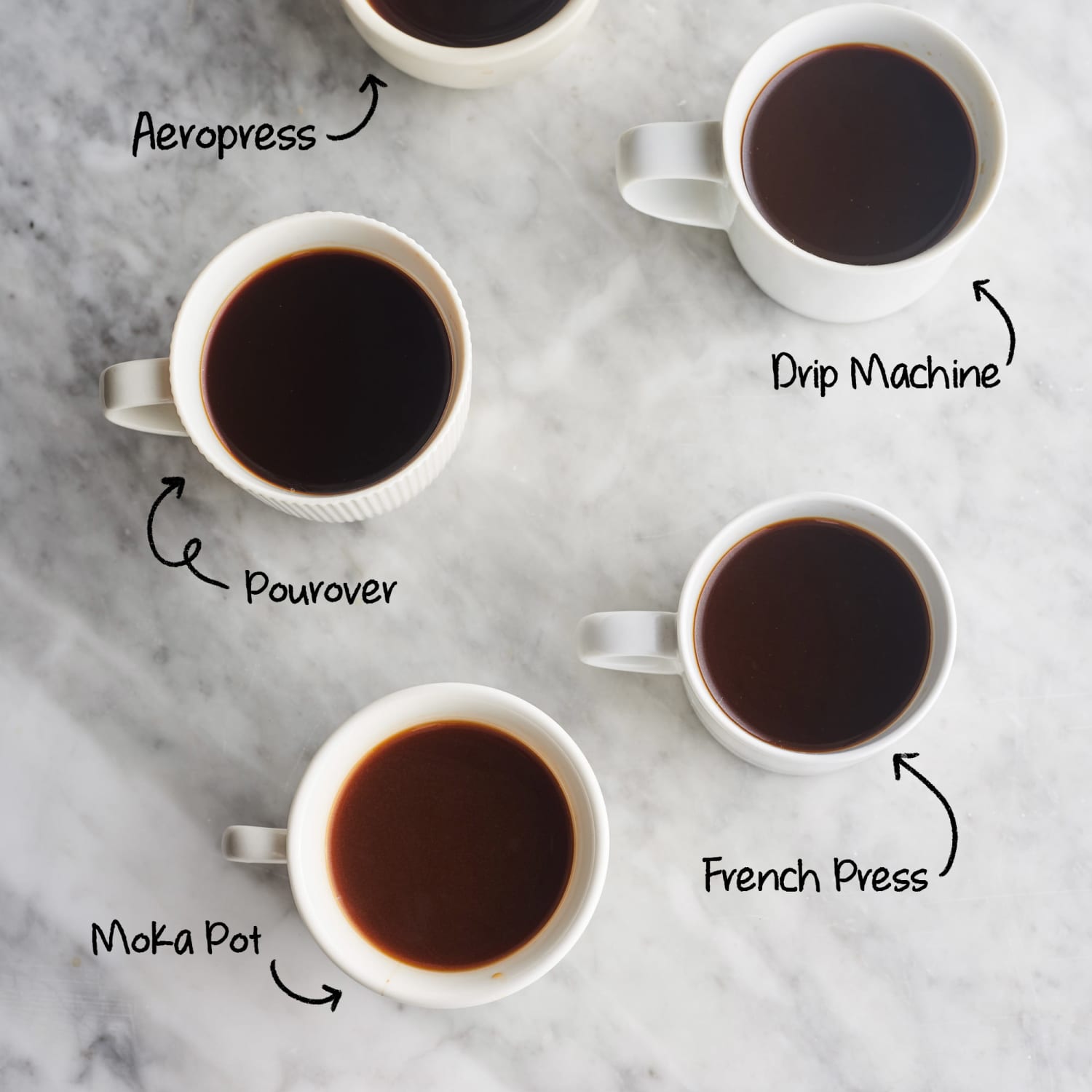
Your choice of brewing method can make or break the texture of your coffee. Some methods naturally create a thicker brew, while others filter out oils and particles.
French Press
French press is famous for its full body and rich mouthfeel. The metal filter lets coffee oils and tiny grounds pass through, creating a heavier cup.
How to use for thicker coffee:
- Use a slightly finer grind than usual, but not powdery.
- Let the coffee steep for 4-5 minutes.
- Stir before plunging to lift settled grounds.
- Pour slowly to keep excess sludge in the press.
Moka Pot
The moka pot (stovetop espresso maker) produces concentrated, thick coffee with plenty of oils.
Tips for best results:
- Use medium-fine grounds.
- Don’t pack the coffee too tightly.
- Remove from heat once you hear bubbling to avoid bitterness.
Turkish Coffee
Turkish coffee is legendary for its syrupy texture. Ultra-fine grounds stay suspended in the cup, giving a unique thickness.
How to brew:
- Mix coffee, water, and sugar (optional) in a small pot.
- Heat slowly without stirring after foaming starts.
- Pour carefully, including the foam, for maximum body.
Espresso
Espresso uses pressure to extract intense flavor and texture in a small amount of liquid. The crema (golden foam) adds to the thickness.
Maximize thickness by:
- Using fresh, dark-roast beans.
- Tamping grounds evenly.
- Adjusting grind for a 25-30 second shot.
Cold Brew
Cold brew can be made thick by using a higher coffee-to-water ratio and not filtering too finely.
Instructions:
- Use 1: 4 ratio (coffee:water) for concentrate.
- Steep 16-20 hours in the fridge.
- Strain with a fine mesh, not paper.
Comparison Of Brew Methods
Here’s a quick look at how popular methods affect coffee thickness:
| Brew Method | Relative Thickness | Notable Features |
|---|---|---|
| French Press | Thick | Oils and particles remain |
| Moka Pot | Medium-Thick | Strong, espresso-like |
| Espresso | Very Thick | Crema, intense flavor |
| Drip | Medium | Filtered, clean taste |
| Turkish | Thickest | Suspended grounds, syrupy |
| Cold Brew | Variable | Depends on ratio, filter |

Adjusting Coffee-to-water Ratio
One of the simplest ways to make coffee thicker is to use more coffee grounds for the same amount of water. This increases dissolved solids and boosts both flavor and body.
Standard Ratios
- Drip coffee: 1:15 to 1:17 (1 gram coffee to 15–17 grams water)
- French press: 1:12 to 1:15
- Espresso: About 1:2 (very concentrated)
For A Thicker Brew
- Try a ratio of 1: 12 (coffee:water) for most methods.
- For cold brew, use a 1: 4 ratio to make a concentrate, then dilute as needed.
- If your coffee tastes too strong, add hot water after brewing instead of during.
Important: Don’t overdo it. Using much more coffee can make your drink bitter and sludgy. Always adjust in small steps.
Water Temperature And Quality
Water is 98% of your cup, so it matters more than you think.
Temperature
- Optimal range: 90–96°C (195–205°F)
- Cooler water under-extracts, making thin, sour coffee.
- Too hot and you get bitterness and a muddy cup.
Water Quality
- Use filtered or bottled water. Hard or chlorinated water blocks flavor extraction and can make coffee feel flat.
- Avoid distilled water—minerals help extract coffee compounds that add body.
Techniques To Boost Thickness
Even with the right beans and method, a few extra tricks can help you get that café-level richness.
Blooming The Grounds
Pour a small amount of hot water over your grounds and let them “bloom” (bubble and release gas) for 30 seconds before brewing. This preps the grounds for even extraction, helping release more oils and solids.
Agitation
Gently stirring the grounds during brewing helps break up clumps and ensures even contact with water. This can slightly boost thickness, especially in French press and pour-over methods.
Double Brewing
Brew your coffee twice—first as usual, then use that brewed coffee instead of water for a second round. This creates a bold, syrupy cup, but use this sparingly, as it’s easy to over-extract and create bitterness.
Adding Coffee Enhancers
Some ingredients can thicken coffee naturally without changing its taste too much:
- Chicory: Often added to New Orleans-style coffee, chicory root gives extra body and a mild earthy flavor.
- Eggs: In Scandinavian recipes, a beaten egg is mixed with grounds before brewing. The proteins bind particles, producing a rich, clear, thick coffee.
- Butter or coconut oil: Popular in bulletproof coffee, a spoonful of healthy fat creates a creamy, thick texture.
Non-obvious tip: For vegan thickening, try a pinch of xanthan gum or guar gum—just a tiny bit will create a smooth, heavy mouthfeel with no taste.
Common Mistakes That Make Coffee Thin
Many people accidentally weaken their coffee with small brewing errors. Avoid these pitfalls for the thickest possible cup:
- Too much water: Always measure both coffee and water. Guessing leads to dilution.
- Very fine paper filters: These remove all oils and particles, leaving a watery texture.
- Old beans: Stale coffee has lost the oils that make a brew thick.
- Not grinding fresh: Pre-ground coffee is usually too coarse or too fine, and loses aroma quickly.
- Short brew time: Rushing the process prevents full extraction of solids and oils.
- Low water temperature: Fails to dissolve enough flavor, making thin coffee.
Advanced Methods For Extra Thickness
If you want to experiment, try these advanced techniques used by coffee pros and enthusiasts.
Tds Measurement
Total Dissolved Solids (TDS) is a measure of how much “stuff” is dissolved in your coffee. Specialty cafés use a refractometer to measure TDS, aiming for 1.15–1.35% in filter coffee, and 8–12% in espresso. Higher TDS usually means a thicker, richer brew.
Pressure And Pre-infusion
Espresso machines use high pressure (9 bars) and a short pre-infusion step to extract more oils and solids. Home machines with pre-infusion settings can help mimic this.
Nitro Coffee
Infusing cold brew with nitrogen gas creates a creamy, foamy texture without adding milk or sugar. You can buy small nitro kits online to try this at home.
Milk Frothing
If you add milk or cream, froth it before adding to your coffee. Frothed milk is thicker and creates a velvety blend, similar to a cappuccino.
Comparing Thickeners: Natural Vs. Additives
Some people add commercial thickeners or emulsifiers to coffee, but is it better than natural options? Here’s a side-by-side look:
| Thickener | Natural or Additive | Effect on Flavor | Texture Result |
|---|---|---|---|
| Chicory | Natural | Mild, earthy | Full, smooth |
| Egg (Scandinavian method) | Natural | Clean, richer | Clear, thick |
| Xanthan gum | Additive | Neutral | Smooth, heavy |
| Cornstarch | Additive | Starchy | Can turn gloopy |
| Butter/Coconut Oil | Natural | Buttery, nutty | Creamy, thick |
How To Troubleshoot And Fine-tune Your Brew
Even after following all the advice, your coffee might not be as thick as you want. Here’s how to fix common issues:
- Still too thin: Try a higher coffee-to-water ratio, or switch to a French press or moka pot.
- Too bitter or sludgy: Back off on grind fineness, or reduce brew time.
- Not enough flavor: Use fresher beans, and check your water temperature.
- Too much oil on top: Use a paper filter after brewing to strain excess oil.
Non-obvious insight: The cup you use can also affect perceived thickness. Wide, shallow cups spread out the liquid, making it feel thinner, while narrow, smaller cups concentrate the texture.
Expert Tips For Everyday Brewing
Here are some expert-level tips that make a big difference but are often overlooked:
- Rinse your filter: If you use paper filters, rinse them with hot water first. This removes papery flavors and lets more oils through.
- Let coffee rest after brewing: Wait 1–2 minutes before drinking. Fine particles settle, giving a smoother yet thicker mouthfeel.
- Preheat your mug: Pour hot water into your cup before adding coffee. This keeps your drink hot and preserves the body.
- Store beans properly: Keep beans in an airtight container, away from light and moisture. Even small amounts of air can spoil oils and thickeners.
- Use a burr grinder: Blade grinders chop beans unevenly, leading to mixed extraction. Burr grinders create uniform grounds for better thickness.

Real-world Examples And Recipes
Café-style Thick Iced Coffee
- Brew a cold brew concentrate (1: 4 coffee:water ratio).
- Add a splash of full-fat milk or condensed milk.
- Shake with ice for a creamy, thick iced coffee.
At-home Bulletproof Coffee
- Brew strong coffee (French press or moka pot).
- Blend with 1 tbsp unsalted butter and 1 tsp coconut oil.
- Mix until frothy for a thick, smooth texture.
Turkish Coffee For Dessert
- Use 1 heaping tsp fine coffee per small cup.
- Add sugar if desired and cook over low heat until foamy.
- Serve unfiltered for a thick, almost pudding-like treat.
Health And Nutrition Considerations
Thicker coffee often means more oils and solids, which can impact cholesterol levels for some people. Cafestol, a compound in coffee oil, can raise cholesterol if consumed in large amounts, especially from unfiltered methods like French press or Turkish coffee.
If you are concerned about cholesterol, use a paper filter, which removes most cafestol, or limit intake of unfiltered coffee.
For more on coffee and health, check out this resource from the Harvard T.H. Chan School of Public Health.
Frequently Asked Questions
What Is The Best Method For Thick Coffee?
The French press and Turkish coffee methods produce the thickest brews, thanks to minimal filtering. Espresso is also very thick but requires special equipment.
Can I Make Thick Coffee With A Regular Drip Machine?
Yes, use a higher coffee-to-water ratio, a slightly finer grind, and rinse your paper filter before brewing. However, it will not be as thick as French press or moka pot coffee.
Does Adding Milk Make Coffee Thicker?
Adding whole milk, cream, or even plant-based barista milks will increase thickness. Frothing milk before adding creates an even creamier texture.
Why Does My Coffee Taste Bitter When I Try To Make It Thicker?
Bitterness often comes from over-extraction or using a grind that’s too fine. Adjust brew time and grind size, and always use fresh beans for best results.
Are There Any Health Risks To Drinking Thick Coffee?
Drinking unfiltered, thick coffee regularly can raise cholesterol due to compounds like cafestol. If you have cholesterol concerns, use a paper filter or limit unfiltered coffee.
—
With these expert tips and practical steps, you’re ready to enjoy coffee that’s as thick and satisfying as any found in specialty cafés. Remember, the secret is in the details—fresh beans, the right grind, and careful brewing make all the difference.
Experiment, taste, and adjust until you find your perfect cup.