Rafting the Grand Canyon is not just an adventure—it’s a journey into one of the world’s most breathtaking landscapes. Early mornings on the Colorado River are peaceful, with golden sunlight on red canyon walls and the gentle sound of water lapping against your raft. For many adventurers, there’s one thing that can make these moments perfect: a cup of freshly brewed coffee. Making good coffee on a river trip, though, isn’t as simple as at home. You face moving water, sand, wind, limited gear, and strict Leave No Trace rules. This guide will help you master the art of brewing coffee in the wild, so you can start each day on the river right.
Why Coffee Matters On The Grand Canyon
For many, coffee is more than a morning drink—it’s a ritual. On the Grand Canyon, coffee becomes a way to warm up, share stories, and prepare for a day of paddling and exploration. The right cup can lift spirits after a cold night or help shake off a tough rapid. Sharing coffee with your group can build camaraderie and even become a highlight of your trip. But the challenges of brewing in the wild are real: you need to think about gear, fuel, waste, and water safety.
Choosing Your Coffee Gear For The Grand Canyon
Essential Coffee Makers For River Trips
When you’re on the river, every ounce of weight and inch of space matters. Here’s a look at the most popular and practical coffee brewing methods for rafting the Grand Canyon:
- French Press: Offers full-bodied coffee and works well for groups. Choose a durable, non-glass version.
- AeroPress: Lightweight, compact, and easy to clean. Great for solo or small group use.
- Pour-Over Cone: Simple, packs flat, and makes excellent coffee. Needs paper filters.
- Percolator: Makes large batches for big groups but is heavier and takes longer.
- Instant Coffee: Ultra-light, no clean-up, but taste can be lacking.
- Cowboy Coffee: Boil grounds in a pot and let them settle. Simple, but grounds can end up in your cup.
Let’s compare the most common methods:
| Brewing Method | Weight | Group Size | Clean Up | Coffee Quality |
|---|---|---|---|---|
| French Press | Medium | 2-6 | Medium | Rich |
| AeroPress | Light | 1-2 | Easy | Smooth |
| Pour-Over | Very Light | 1-3 | Easy | Bright |
| Percolator | Heavy | 4-10 | Hard | Strong |
| Instant | None | Any | None | Varies |
| Cowboy | None | Any | None | Rustic |
What Else You’ll Need
Besides your coffee maker, bring:
- Stove: Propane or white gas stoves are common. Open fires are usually not allowed.
- Fuel: Plan for extra if you want hot water every morning.
- Pot or Kettle: For boiling river water. Stainless steel is best.
- Ground Coffee: Pre-grind at home for your method. Store in a waterproof bag.
- Spoon or Stirrer: Metal or wood—plastic can break.
- Cup or Mug: Durable, insulated mugs keep coffee hot.
- Filters: If using pour-over or AeroPress.
- Water Treatment: You must treat or boil river water before using.
Non-obvious tip: Bring a small zip-top bag for used grounds if you need to pack them out.

Sourcing And Preparing Water Safely
The Colorado River is beautiful, but it’s not safe to drink untreated. Sand, silt, and microbes are present. Always start by collecting clear water from the river’s edge, away from camp. Let it settle in a bucket if it’s silty—this can take 30–60 minutes. For coffee, you must boil the water for at least one minute (or three minutes above 6,500 feet). Boiling kills bacteria and viruses. For extra safety, use a filter or chemical treatment after boiling if your group has immune issues.
Another insight: Silty water can make coffee taste gritty. If you have time, let water settle overnight in a covered container, then pour off the top for brewing.
How To Brew Coffee On The Grand Canyon
1. French Press Method
- Boil river water in your kettle or pot.
- Add ground coffee (about 2 tablespoons per 6 ounces of water) to the press.
- Pour hot water in, stir, and let sit for 4 minutes.
- Press the plunger slowly.
- Serve and enjoy.
Cleanup: Dump grounds into your trash, then rinse with river water and pack out residue.
2. Aeropress Method
- Place a paper filter in the cap and attach to the chamber.
- Add one scoop of coffee.
- Pour hot water just off the boil (not rolling boil).
- Stir for 10 seconds.
- Press gently over your mug.
- Add more hot water for an Americano-style brew.
Cleanup: Pop out the puck of grounds, wipe, and rinse.
3. Pour-over Cone
- Set the cone over your mug.
- Add a paper filter and coffee (same ratio as above).
- Pour a little hot water to bloom, wait 30 seconds, then pour slowly in circles.
- Let drip and serve.
Cleanup: Pack out used filters and grounds.
4. Percolator
- Fill the bottom with water.
- Add coarse grounds to the basket.
- Place over your stove and heat until perking.
- Brew 7–10 minutes for strong coffee.
Cleanup: Percolators can be hard to clean—scrape out as much as possible, then rinse.
5. Instant Coffee
- Boil water.
- Pour into your mug and stir in the instant coffee packet.
- Enjoy—no cleanup, just pack out empty packets.
6. Cowboy Coffee
- Add water and grounds to your pot.
- Bring to a boil, then remove from heat.
- Let grounds settle for 2–3 minutes.
- Pour slowly to avoid grounds.
Pro tip: Add a splash of cold water to help grounds sink faster.
Managing Coffee Grounds And Leave No Trace
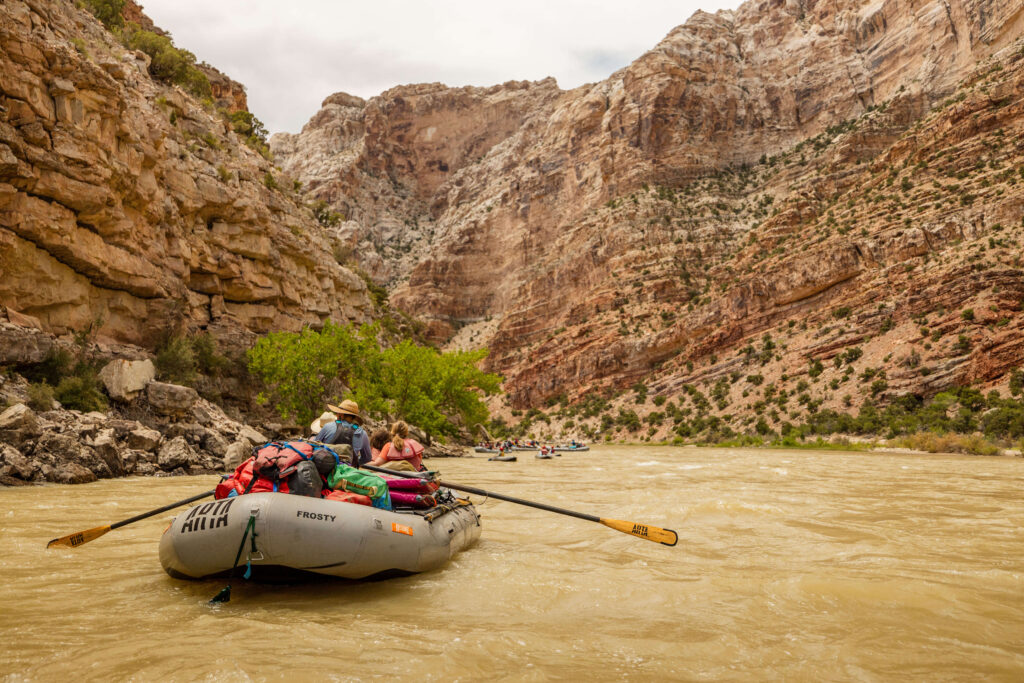
Grand Canyon National Park has strict rules. Used coffee grounds and filters should never be dumped into the river or on land. Most trips require you to pack out all solid waste, including grounds. Bring heavy-duty zip-top bags or a small, dedicated dry bag for this purpose. Some guides use a double-bag system to prevent leaks and smells.
A common mistake: Forgetting to plan for coffee waste. Wet grounds can attract animals and make your trash bag messy. Always seal them tightly.
Making Great Coffee In Wind, Rain, And Sand
The Grand Canyon’s weather can change quickly. Mornings may be windy or rainy, and sand gets everywhere. Here’s how to cope:
- Set up your stove in a wind-sheltered spot, using your raft or a natural wall.
- Keep coffee gear in a dry bag until ready to use.
- Use a lid on your pot or mug to keep out blowing sand.
- Pre-measure your coffee at home to avoid spills.
Experienced rafters often bring a small microfiber towel to wipe gear and hands, as sand can make everything gritty.
Coffee Beans: What To Bring And Why It Matters
While instant coffee is the lightest, many adventurers want real, fresh-brewed taste. Choose medium or dark roast beans, as they stand up to river water’s minerality. Pre-grind your beans at home for your chosen method and pack in airtight, waterproof bags. If you’re a true coffee lover, bring a small hand grinder and whole beans. This takes more time, but the freshness is worth it for some.
Another insight: Avoid flavored coffees. They often taste artificial when brewed with river water and can gum up your gear.
Adding Extras: Milk, Sugar, Spices
Some like coffee black, but others want to add flavor. Here’s what works well on the river:
- Powdered milk or creamer: Lightweight, non-perishable.
- Sugar or honey sticks: Easy to pack and less messy than loose sugar.
- Cinnamon or cocoa powder: Pack in tiny containers for a special touch.
Avoid liquid dairy—it spoils quickly in hot weather. If you want a luxury, mini shelf-stable milk packets can be brought in small amounts, but always pack out the trash.
Coffee And Group Dynamics
Coffee time is also social time on rafting trips. Many groups have a shared morning routine, with one person in charge of the “coffee bar.” If you’re brewing for a large group, consider dividing tasks: one person boils water, another grinds beans, someone else pours. This keeps things moving and lets everyone enjoy their cup before the day’s adventures.
A non-obvious tip: Label your mug or bring a unique one. In big groups, mugs get mixed up easily.
Sample Coffee Routine For A River Morning
Here’s how a typical morning coffee session might look on the Colorado:
- Wake before sunrise to the sound of the river.
- Gather water from the river and set to boil.
- While waiting, set up your coffee station away from tents.
- Brew using your chosen method.
- Share with your group, enjoy the view.
- Clean up, pack out grounds, and start breakfast.
This routine helps keep mornings organized and gives everyone a few peaceful minutes before launching into the day.
Comparing Coffee Methods For River Use
How do the most popular brewing methods compare for the Grand Canyon? Here’s a quick look:
| Method | Best For | Drawbacks | Cleanup |
|---|---|---|---|
| French Press | Groups, full flavor | Grounds can be messy | Medium effort |
| AeroPress | Solo, small groups | Only 1–2 cups at a time | Very easy |
| Pour-Over | Fresh taste, simple gear | Needs filters, slow for many people | Easy |
| Percolator | Big groups | Heavy, slow, hard to clean | Hard |
| Instant | Light packers, speed | Taste varies | None |
Mistakes To Avoid When Making Coffee On The Grand Canyon
- Underestimating water needs: Coffee and cleanup require more water than you think, especially for a big group.
- Running out of fuel: Brewing coffee every day uses a lot of propane. Bring extra.
- Bringing glass gear: It can break on rocks or in the raft. Choose metal or durable plastic.
- Forgetting waste bags: Coffee grounds must be packed out, not buried.
- Ignoring wind and sand: Prepare a sheltered spot, or you’ll get gritty coffee.
- Not pre-grinding beans: Unless you bring a grinder, grind at home for your method.
- Not labeling mugs: Mugs look alike and often get mixed up.
- Trying new gear for the first time on the river: Practice at home before your trip.
Tips From Experienced River Guides
- Store coffee and gear in a separate dry bag to avoid food smells in your sleeping gear.
- If you want espresso, some bring portable hand-pump espresso makers, but these are heavy and delicate.
- Always start water boiling as soon as you wake up—it’s the slowest step.
- If you’re guiding, offer coffee as a wake-up call to guests. It’s a great way to build goodwill.
- Use river water only after it’s boiled or treated—even for washing your cup.
Planning For Multiple Days
A Grand Canyon trip often lasts 7–21 days. Plan your coffee supply carefully:
- Estimate how much coffee you’ll need per person per day.
- Add 10–20% extra for accidents, layover days, or new friends.
- Store all coffee in waterproof, odor-proof containers to keep it fresh and safe from animals.
- If using milk or creamer, plan for hot weather and pack extra powder.
A mistake many make is running out of coffee before the end of the trip. Bring more than you think you’ll need.
Sustainable Coffee Choices
Many adventurers want to reduce their impact. Here’s how:
- Choose biodegradable filters (still pack them out! ).
- Buy coffee in bulk to reduce packaging waste.
- Use reusable cups and containers.
- Avoid flavored or individually packaged coffee.
Some outfitters and groups even use compostable bags for used grounds, but these must still be packed out.
Special Considerations For Permitted Trips
If you’re part of a guided or permitted trip, ask your guide about their coffee setup. Many guides supply group coffee and gear. If you want to use your own, check first to avoid duplicating supplies or breaking group rules.
Some trips have a “coffee hour” at a set time each morning, so plan your routine accordingly.
Final Thoughts: Savoring Coffee In The Wild
Coffee on the Grand Canyon is more than a drink—it’s a daily ritual that brings comfort, warmth, and connection. With the right gear, good planning, and a focus on Leave No Trace, you can enjoy world-class coffee even deep in the canyon. Remember to boil your water, pack out your grounds, and share the experience with your fellow adventurers. A well-brewed cup, sipped while watching the sunrise over ancient rocks, is a memory you’ll carry long after the last rapid.
For more about safe river practices and water treatment, check the Grand Canyon National Park River Regulations.
Frequently Asked Questions
How Much Coffee Should I Bring For A Week-long Grand Canyon Rafting Trip?
Plan for about 2 tablespoons (10 grams) of ground coffee per person, per cup, per day. For a 7-day trip with two cups per day, bring at least 280 grams (10 ounces) per person. Add extra for spills or heavier drinkers.
Is It Safe To Use River Water For Coffee?
Yes, as long as you boil the water for at least one minute (three minutes above 6,500 feet). This kills bacteria and viruses. Let silt settle first or filter before boiling for the best taste.
Can I Use Instant Coffee To Save Time?
Absolutely. Instant coffee is fast, light, and has no cleanup. Quality has improved in recent years. It’s the best choice if you want zero fuss, but taste may not match fresh-ground methods.
What’s The Best Way To Pack Out Used Coffee Grounds?
Use a heavy-duty zip-top bag or small dry bag. Double-bagging helps prevent leaks and odors. Store grounds separately from food waste to avoid attracting animals.
Should I Bring My Own Coffee Gear If I’m On A Guided River Trip?
Check with your outfitter first. Many provide group coffee setups. If you want to use your own special method (like AeroPress or pour-over), it’s usually fine, but confirm to avoid doubling up or breaking group routines.