Cuban coffee is more than just a drink. It’s a ritual, a moment shared with friends and family, and a symbol of Cuban culture. The sweet, strong flavor, the thick crema, and the aroma that fills the room—all make Cuban coffee a favorite for coffee lovers everywhere.
But making authentic Cuban coffee at home is not as simple as pressing a button on a machine. It requires attention to detail, the right tools, and a bit of practice. In this guide, you’ll learn every step to create this classic beverage just like it’s served in Havana.
Many people try to make Cuban coffee with regular coffee makers or automatic espresso machines, but the real magic comes from the traditional method. Whether you’re a beginner or a coffee enthusiast, you’ll discover the secrets, tips, and small details that make all the difference.
By the end, you’ll have the confidence to brew a cup that’s rich in both flavor and tradition.
What Makes Cuban Coffee Unique?
Cuban coffee stands out for its strength and sweetness. The base is a dark-roast, finely ground coffee, usually made in a stovetop Moka pot. What truly sets it apart is the espuma—a creamy, sweet foam made from whipping the first drops of coffee with sugar. This step gives Cuban coffee its signature texture and flavor.
Unlike other types of espresso, Cuban coffee uses a higher coffee-to-water ratio and a generous amount of sugar. The result is a bold, intense shot of coffee with a silky crema on top. It’s often served in small cups, because the flavor is very strong.
Traditional Tools And Ingredients
To make real Cuban coffee, you need the right equipment and ingredients. Here’s what you’ll need:
Essential Tools
1. Moka Pot (stovetop Espresso Maker)
The classic way to brew Cuban coffee is with a small aluminum Moka pot. This pot forces hot water through coffee grounds to produce a strong, espresso-like brew.
2. Small Mixing Cup Or Metal Creamer
Used to whip sugar and coffee together to create the espuma.
3. Spoon
For mixing the sugar and coffee.
4. Small Demitasse Cups
Traditional Cuban coffee is served in tiny cups, usually 2-3 ounces.
Key Ingredients
1. Dark-roast Cuban Coffee
Brands like Café Bustelo, La Llave, or Pilón are popular. You can use any finely ground, dark espresso roast, but these brands deliver the most authentic taste.
2. Granulated Sugar
White sugar works best for making a smooth espuma.
3. Water
Use fresh, filtered water for the cleanest flavor.
Optional Additions
- Some people add a pinch of salt or a dash of cinnamon, but these are not traditional. If you like to experiment, try them only after mastering the classic recipe.
Step-by-step Guide: Making Cuban Coffee
Making Cuban coffee requires a few precise steps. Here’s how to do it:
1. Prepare The Moka Pot
- Unscrew the Moka pot and remove the filter basket.
- Fill the bottom chamber with water up to the valve. Do not overfill.
- Place the filter basket back and fill it with finely ground coffee. Level off, but do not tamp down the coffee.
2. Start Brewing
- Screw the top and bottom parts of the Moka pot together tightly.
- Place the pot on medium heat. Leave the lid open so you can see when the first drops of coffee appear.
3. Make The Espuma (sugar Crema)
- While the coffee starts brewing, add 2-3 tablespoons of sugar to your mixing cup.
- As soon as a few drops of coffee come out (usually in the first 30–60 seconds), pour about 1–2 teaspoons of this strong coffee into the sugar.
- Quickly begin to beat the mixture with a spoon. Stir rapidly until it turns into a pale, thick, creamy paste. This will take about 1–2 minutes.
4. Finish Brewing
- Once all the coffee has brewed into the top chamber, turn off the heat.
- Pour the brewed coffee over the sugar paste in your mixing cup.
- Stir gently but thoroughly. This will create the espuma— a sweet, foamy layer on top.
5. Serve
- Pour the coffee into small demitasse cups.
- Each cup should have a thick, golden crema on top.
6. Enjoy
- Cuban coffee is best enjoyed immediately. Sip slowly and savor the strong, sweet flavor.
A Closer Look: The Moka Pot Vs. Espresso Machine
Many people wonder if they can use a modern espresso machine instead of the traditional Moka pot. Let’s compare the two methods:
| Feature | Moka Pot | Espresso Machine |
|---|---|---|
| Brewing Pressure | 1-2 bars | 9 bars |
| Coffee Strength | Strong, but slightly less than espresso | Very strong, concentrated |
| Espuma (Crema) | Created by whipping sugar and first drops of coffee | Natural crema forms from pressure |
| Authenticity | Traditional Cuban method | Modern adaptation |
| Price | Very affordable | Expensive |
| Ease of Use | Simple, portable | Requires more skill, maintenance |
Key Insight:
If you want the classic taste and texture of Cuban coffee, use a Moka pot. Espresso machines make great coffee, but the flavor and ritual are different.
The Importance Of Espuma
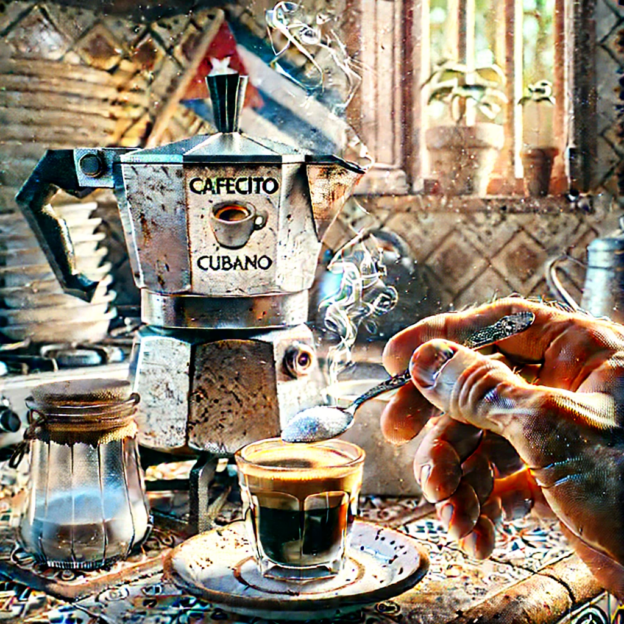
The espuma is what makes Cuban coffee special. It’s not just the crema you see in Italian espresso. This foam is made by beating sugar with the first, most concentrated drops of coffee. The hot liquid melts the sugar and makes a thick, sweet froth. When you pour the rest of the coffee over it, the espuma rises to the top, giving every sip a creamy, caramel-like taste.
Beginner mistake: Many people skip this step and just add sugar at the end. This does not create the same texture or flavor. Always make the sugar paste first for the real Cuban experience.
Coffee To Sugar Ratio: Finding Your Sweet Spot
Cuban coffee is known for being sweet. But how much sugar should you use? Here’s a guideline for a 3-cup Moka pot (about 4–6 ounces of coffee):
| Preference | Coffee | Sugar |
|---|---|---|
| Traditional | 3 tbsp (finely ground) | 2–3 tbsp |
| Less Sweet | 3 tbsp | 1–1.5 tbsp |
| Very Sweet | 3 tbsp | 4 tbsp |
Tip: Start with 2 tablespoons of sugar for your first try. Adjust up or down based on your taste. Remember, the sweetness balances the strong, bitter coffee.
Types Of Cuban Coffee Drinks
Cuban coffee isn’t just one recipe. There are several popular drinks, each with its own style.
1. Cafecito (cuban Espresso)
This is the classic shot of strong, sweet Cuban coffee with espuma. Served in small cups, it’s usually enjoyed after meals or as an afternoon pick-me-up.
2. Colada
A colada is a larger serving of Cuban coffee, poured into a small pitcher and shared among several people. It comes with tiny cups, so everyone gets a taste. It’s very social—perfect for the office or gatherings.
3. Cortadito
This is a Cuban espresso “cut” with steamed milk. The ratio is usually half coffee, half milk, but you can adjust to taste. It’s still sweet, but smoother and less intense.
4. Café Con Leche
A breakfast favorite, this is steamed milk with a shot of Cuban coffee poured in. It’s served in a large cup or bowl, often with toast for dipping.
5. Café Bombón
Less common in Cuba, but popular in Cuban-American communities, this drink layers sweetened condensed milk and Cuban espresso for a dessert-like treat.
Common Mistakes To Avoid
Many coffee enthusiasts make simple errors that affect the taste and texture of Cuban coffee. Here are the most common ones:
1. Using Regular Ground Coffee
Cuban coffee requires a very fine grind, similar to espresso. Regular ground coffee will result in weak or watery coffee.
2. Tamping The Coffee In The Moka Pot
Do not press the coffee grounds down. Just level them off. Tamping can block water flow and create bitter, burnt flavors.
3. Skipping The Espuma Step
Adding sugar after brewing will not give you the creamy foam that’s essential to Cuban coffee.
4. Letting Coffee Sit Too Long
Cuban coffee should be served and enjoyed immediately. Waiting too long will cause the crema to collapse and the flavors to fade.
5. Overheating The Moka Pot
High heat can burn the coffee and make it taste bitter. Use medium heat and remove from the stove as soon as brewing finishes.
The Social Role Of Cuban Coffee
Cuban coffee is not just about caffeine. It’s a way to connect with others. In Cuba, offering coffee is a sign of hospitality. Friends, neighbors, and even strangers are often invited to share a cafecito. The process of making and sharing coffee is as important as the drink itself.
Non-obvious insight:
When you visit a Cuban household or even a business, it’s common to be offered a small cup of sweet coffee. Refusing can be seen as rude—so even if you don’t drink coffee, try at least a sip as a gesture of respect.
How To Clean And Care For Your Moka Pot
To keep your Cuban coffee tasting fresh, you must care for your equipment.
- Rinse with Water Only: Never use soap to clean your Moka pot. Just rinse and dry it after each use.
- Let It Dry Completely: Store with the lid open to prevent mold or unwanted smells.
- Replace Gaskets: If your pot leaks or the coffee tastes strange, check the rubber gasket and replace if needed.
Pro tip:
The more you use your Moka pot, the better the coffee tastes. Over time, the aluminum absorbs flavors and enhances the brew.
Where To Buy Authentic Cuban Coffee
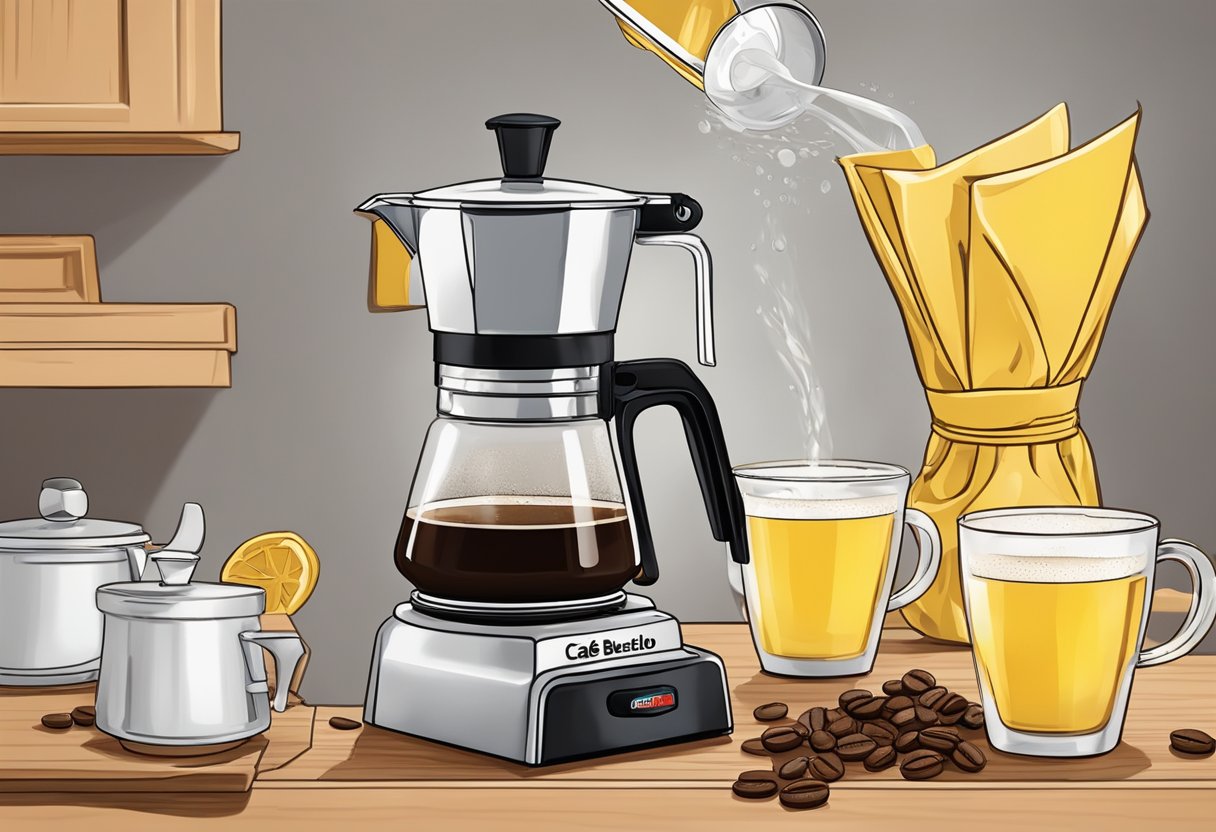
Finding true Cuban-roast coffee can be a challenge outside Cuba. Look for brands like Café Bustelo, Pilón, La Llave, or Café La Carreta. These are available in many Latin grocery stores and online retailers. If you’re curious about the history and culture behind Cuban coffee, you can learn more from the Wikipedia Cuban Coffee article.
Tips For Serving Cuban Coffee Like A Local
- Use Tiny Cups: Cuban coffee is strong, so serve in small cups.
- Offer Water: A small glass of water helps cleanse the palate between sips.
- Share with Friends: Serve a colada in a large cup with several small cups for everyone.
- Pair with Sweets: Cuban coffee goes well with pastries like pastelitos or a simple piece of toast.
Experimenting With Flavors
After mastering the classic method, you can try different twists:
- Add a pinch of salt to the sugar for more depth.
- Sprinkle cinnamon or cocoa powder on top.
- Use brown sugar or raw sugar for a richer flavor.
Note: Purists may not approve, but experimenting is part of the fun once you know the basics.
Cuban Coffee And Health: What You Should Know
Cuban coffee is high in caffeine and sugar. One shot (about 2 ounces) contains roughly 60–80 mg of caffeine and 2–3 teaspoons of sugar. If you’re sensitive to caffeine or watching your sugar intake, limit your servings.
How Does Cuban Coffee Compare To Other Coffees?
Here’s a quick look at how Cuban coffee stacks up against other common types:
| Coffee Type | Serving Size | Caffeine (mg) | Sugar Added | Typical Strength |
|---|---|---|---|---|
| Cuban Coffee | 2 oz (60 ml) | 60–80 | Yes | Very strong, sweet |
| Espresso | 1 oz (30 ml) | 63 | No | Strong, bitter |
| Drip Coffee | 8 oz (240 ml) | 95 | No | Medium, mild |
| Americano | 8 oz (240 ml) | 77–150 | No | Mild, smooth |
Non-obvious insight:
Because Cuban coffee is so concentrated, the caffeine per ounce is very high. Even one small cup can give a strong energy boost.
Troubleshooting Common Problems
If your Cuban coffee doesn’t taste right, here’s how to fix it:
- Bitter or burnt flavor: Use lower heat and don’t overfill the filter basket.
- Weak coffee: Try a finer grind or use more coffee grounds.
- No crema: Make sure you beat the sugar and first drops of coffee fast and long enough.
- Leaking pot: Check the gasket and make sure the pot is screwed together tightly.
The Ritual: Making Cuban Coffee Part Of Your Day
Many Cubans drink coffee several times a day—morning, afternoon, and after meals. Try adding this ritual to your own routine. Invite friends over, share stories, and enjoy the act of brewing as much as the coffee itself.
Experience-based tip:
The first few times, your espuma might not be perfect. Don’t worry—practice makes it better. Pay attention to the sound and smell as the coffee brews, and adjust your sugar and coffee ratios as you learn what you like.
Frequently Asked Questions
What Is The Difference Between Cuban Coffee And Regular Espresso?
Cuban coffee is made with a Moka pot, uses a dark roast, and always includes sugar whipped into a creamy espuma. Regular espresso uses high pressure and doesn’t usually add sugar during brewing. The flavor of Cuban coffee is sweeter and often more intense because of the sugar and foam.
Can I Make Cuban Coffee Without A Moka Pot?
While a Moka pot is traditional, you can use a French press or even a strong drip coffee maker. However, the taste and texture won’t be the same. The Moka pot is recommended for the most authentic flavor and crema.
Is Cuban Coffee Very High In Caffeine?
Cuban coffee is concentrated, so it contains more caffeine per ounce than regular drip coffee. A typical 2-ounce serving has about 60–80 mg of caffeine, similar to a shot of espresso. Drink in moderation if you’re sensitive to caffeine.
Can I Use Brown Sugar Or Other Sweeteners?
Classic Cuban coffee uses white granulated sugar because it dissolves quickly and whips into a smooth espuma. Brown sugar or raw sugar can add a different flavor, but may not create the same foam. Artificial sweeteners will not work for the espuma.
What Brands Of Coffee Are Best For Making Cuban Coffee?
Popular brands include Café Bustelo, Pilón, La Llave, and Café La Carreta. Look for “espresso grind” on the package. These coffees are widely available in Latin grocery stores and online.
Cuban coffee is more than a drink—it’s a tradition you can bring into your own kitchen. With the right tools, quality ingredients, and a bit of practice, you can enjoy this iconic beverage any time. Share it with friends, experiment with flavors, and embrace the ritual. Soon, you’ll see why so many people around the world start their day with a strong, sweet cafecito.